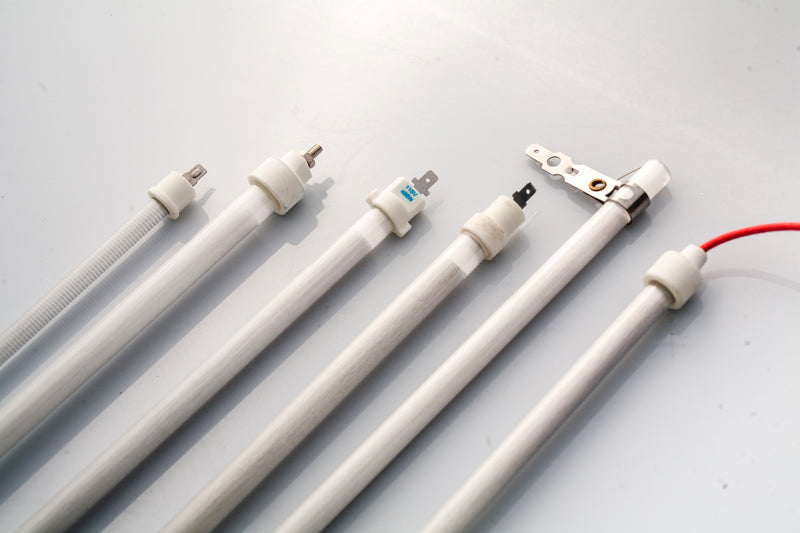
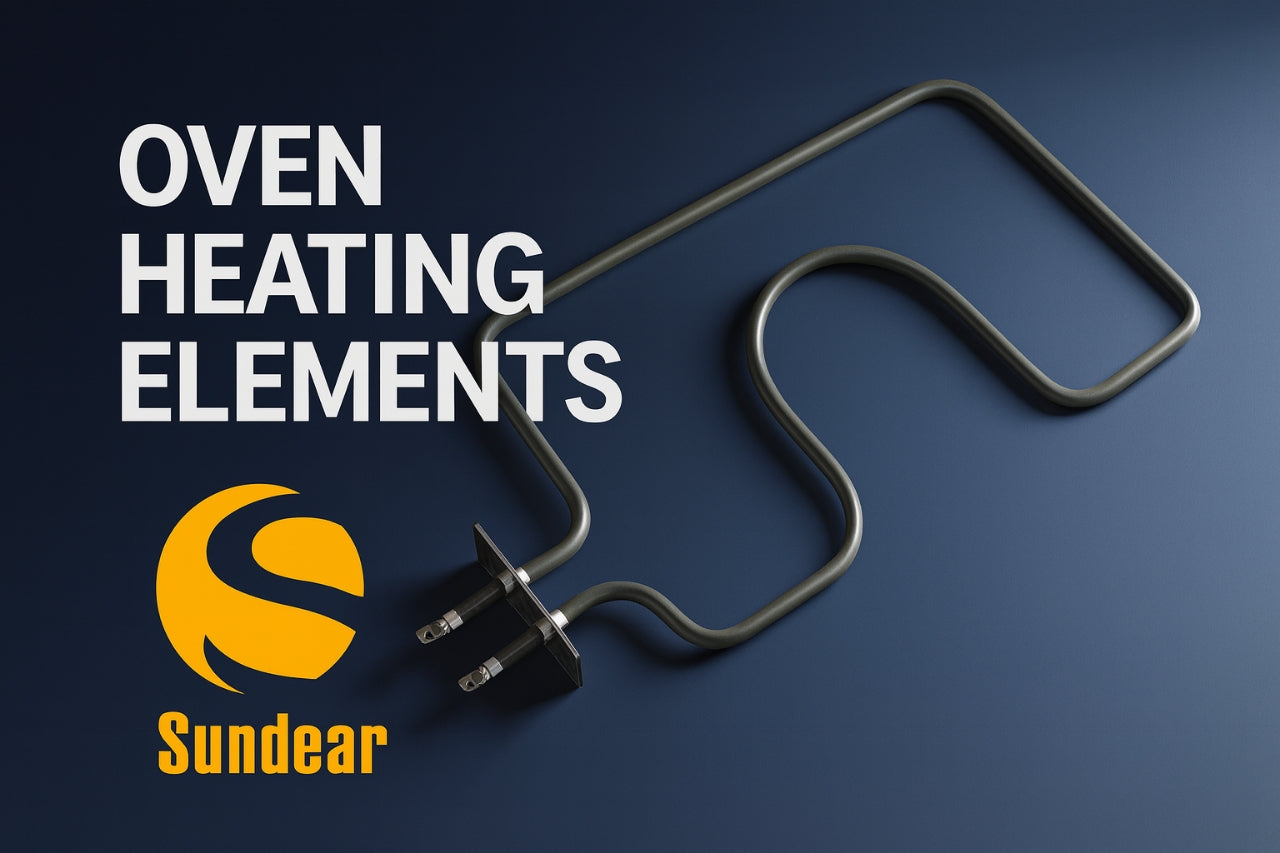
For modern ovens to deliver the required high efficiency, rapid heat-up, and long-life performance, the heating element is the single most critical component. It is responsible for converting electrical energy into the precise, reliable heat industrial processes demand. Among the options, the tubular heating element stands out as the industry workhorse.
We will first examine the core construction and materials of the tubular heating element. Then we will detail the top five operational benefits and the critical engineering factors—such as sheath material and watt density—required for perfect selection.
What Are Tubular Heating Elements?
At their core, tubular heating elements are resistors housed inside a durable metal tube (or sheath). This tube is typically made from materials like stainless steel, incoloy, or copper, and is filled with a magnesium oxide (MgO) powder for superior electrical insulation and heat conduction. A coil of resistance wire (usually nickel-chromium/iron-chromium-aluminum) runs through the center, generating heat when electricity passes through.
This robust construction makes them incredibly versatile and resilient, perfect for the demanding environment inside an oven.
Why Choose Tubular Heating Tubes for Your Ovens?
The following key benefits explain why tubular heating elements are considered indispensable for oven manufacturers and operators demanding reliability and efficiency:
1. Exceptional Durability and Minimal Downtime
The robust metal sheath (backed by materials like Stainless Steel or Incoloy) provides exceptional mechanical strength. This protection seals the internal components against physical impact, vibration, and harsh corrosive environments.
The Result: This superior resilience translates directly to a longer service life for the element, significantly reducing unscheduled downtime and lowering long-term replacement and maintenance costs.
2. High Watt Density for Rapid Heat-Up
Tubular elements are engineered to withstand high surface loads. This high power density means they can generate large amounts of heat very quickly and efficiently.
The Result: Your ovens achieve their target operating temperature much faster, leading to improved cycle times and tangible gains in energy efficiency during start-up and recovery phases.
3. Precision and Uniform Temperature Control
The Magnesium Oxide (MgO) filler within the element ensures efficient and highly uniform heat distribution across the entire length of the tube. This structural design eliminates hotspots.
The Result: This consistency is critical for applications like food processing, curing, or complex drying, ensuring precise temperature control and achieving guaranteed uniform product quality every time.
4. Unmatched Versatility and Custom Fit
Tubular elements offer one of the greatest advantages in customization. The metal tubes can be precisely bent and formed into virtually any configuration—U-shaped, serpentine, tubular coils, or custom square profiles.
The Result: We can engineer a perfect fit for your specific oven layout, maximizing the heated surface area within the chamber and ensuring optimal heat distribution tailored exactly to your process needs.
5. Wide Industrial Application Range
From low-temperature drying and tempering ovens to extreme high-temperature industrial furnaces, tubular heating elements are incredibly adaptable. They are effective for direct air heating, liquid immersion, and surface contact heating.
The Result: Regardless of your industrial process or temperature requirements, there is a proven tubular heating solution to meet your exact specifications.
Key Considerations When Selecting a Oven Heating Element
Choosing the right element is not just about physical size; it requires engineering precision. To ensure maximum performance and longevity, consider these critical factors:
- Sheath Material: The material choice dictates the element's maximum operating temperature and corrosion resistance.
- Stainless Steel (SS304/SS321/SS316): Excellent for general-purpose use; SS316 offers enhanced resistance to moisture and chemical corrosion.
- Incoloy (e.g., 840): The ideal choice for high-temperature applications (up to 1600℉ or 870℃), providing superior oxidation and creep resistance under extreme heat.
- Watt Density (Surface Load): This crucial engineering specification is the element's power output per unit area, often measured in W/in²or W/cm². Setting the watt density too high for your specific environment (e.g., low airflow) will lead to overheating and premature element failure. Our engineers are ready to help you calculate the precise watt density required for your specific oven temperature and airflow dynamics.
- Termination & Sealing: Proper lead connections and effective end seals are absolutely vital to prevent moisture ingress, oxidation, and subsequent electrical failure at the connection points, protecting the longevity of your investment.
The Next Step to Optimized Oven Performance
Choosing the right tubular heating element is the critical factor that determines your oven's efficiency, product quality, and long-term operational costs. It is a small component with a massive impact.
More than just a supplier, SUNDEAR is a leading manufacturer specializing in professional heating solutions, delivering tailored, precisely engineered solutions designed to meet the rigorous specifications of your industrial applications.
Ready to enhance your oven's efficiency and longevity?
Contact SUNDEAR today to speak with one of our specialized engineers. We will analyze your operating environment and help you calculate the perfect sheath material and watt density to deliver a high-quality, long-lasting heating element solution.
SUNDEAR: Your trustworthy partner for reliable, high-performance oven heating elements.